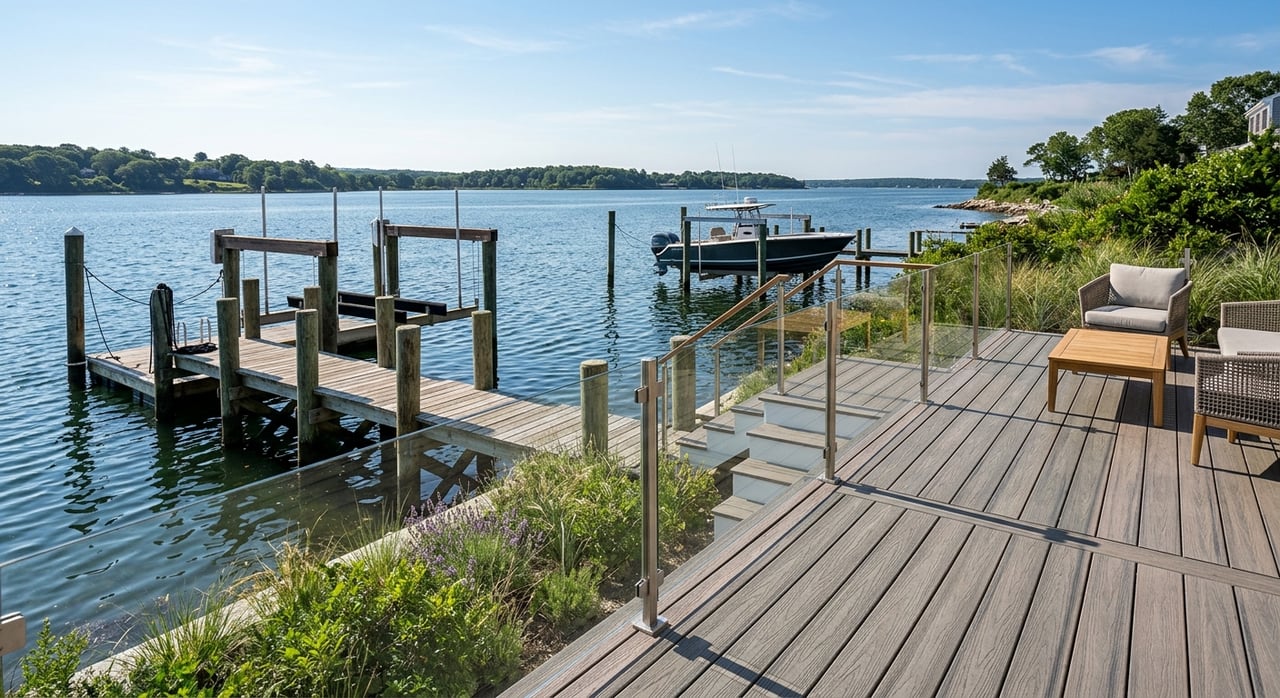
If you are thinking about buying a waterfront estate in Loveladies, you are probably looking for more than a beautiful view. You want privacy, lasting value, and a property that fits the way you plan to live on Long Beach Island. The details here matter, and the right due diligence can protect both your enjoyment and your investment. Let’s dive in.
Why Loveladies Stands Out
Loveladies sits on the north end of Long Beach Township, along with High Bar Harbor and North Beach. According to township and local community sources, this part of the island is known for a quieter setting than the mid-island sections. For many waterfront buyers, that lower-key atmosphere is part of the appeal.
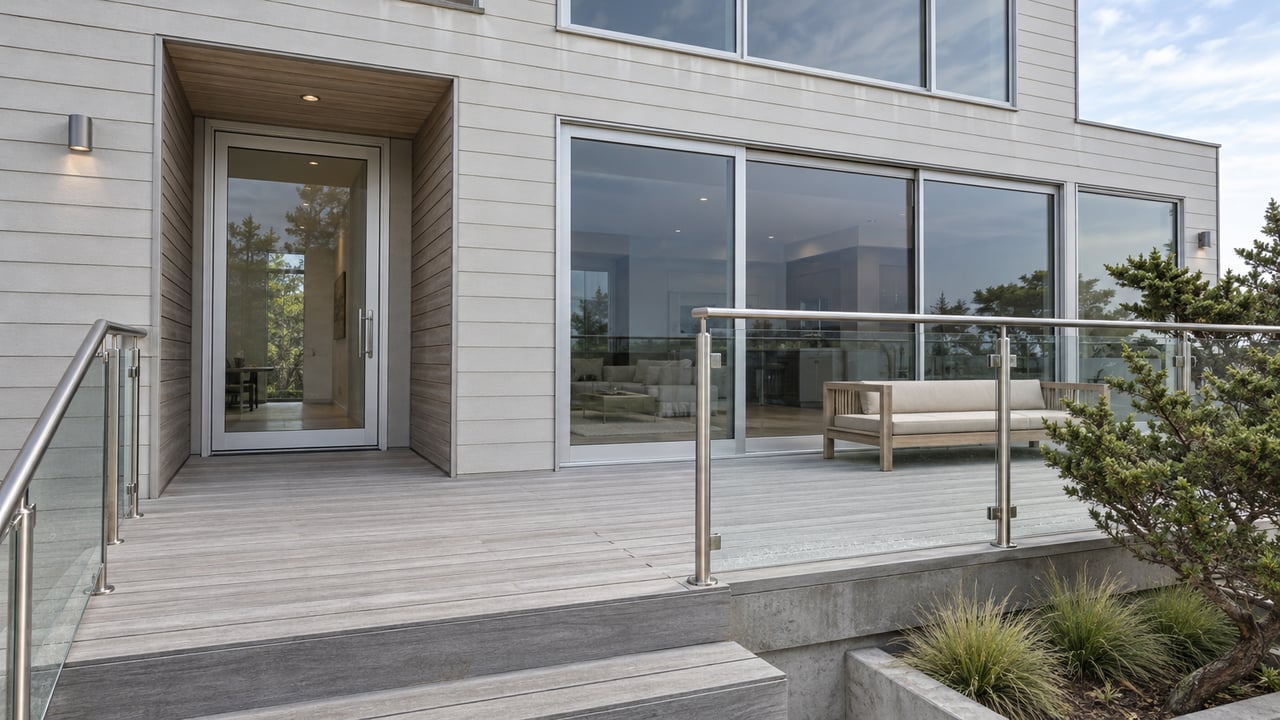
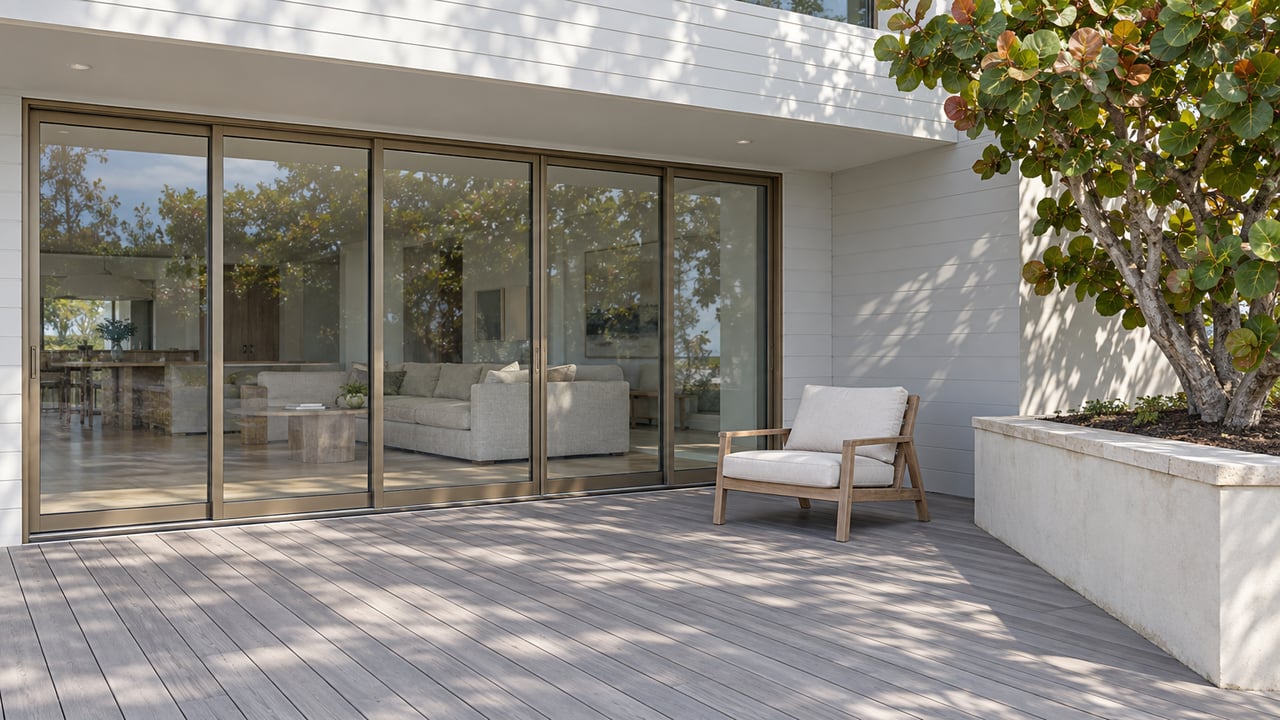
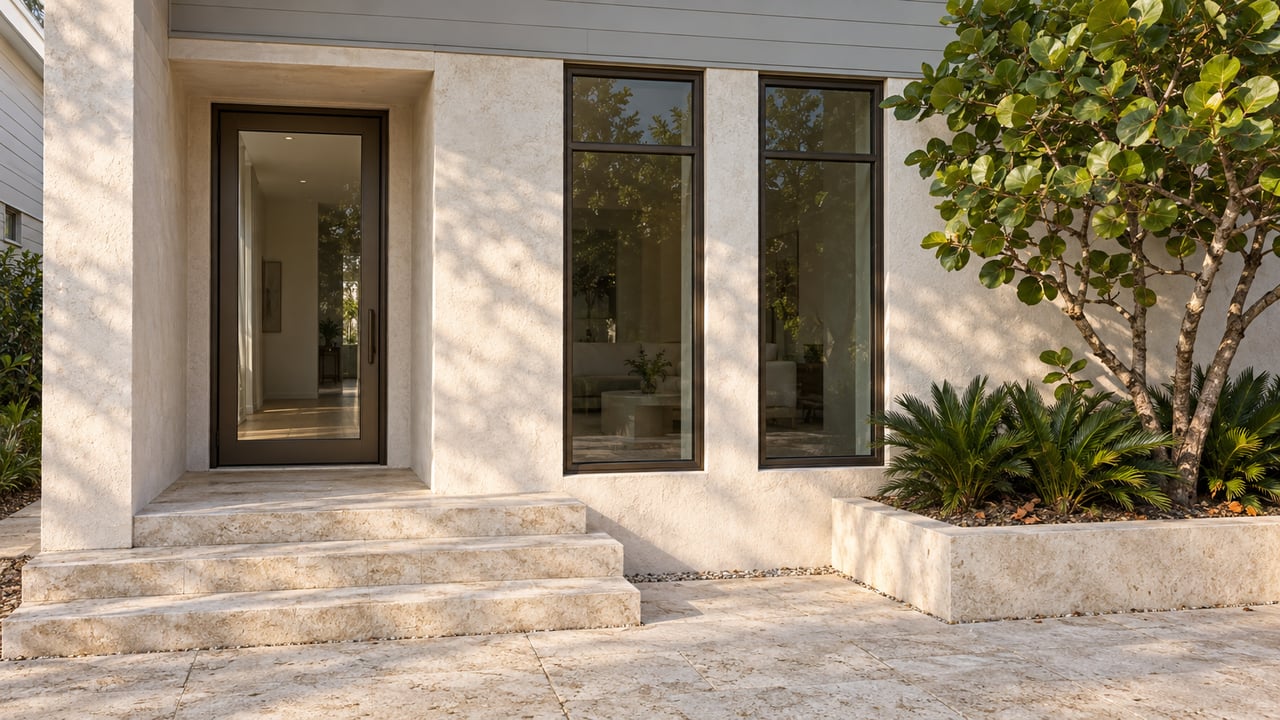
Loveladies also has a distinct housing story. The community was largely rebuilt after the 1962 storm, and that rebuilding pattern helped shape a stock of more modern homes with innovative coastal design. If you are drawn to elevated architecture, cleaner lines, and homes designed around views and resilience, Loveladies often delivers that combination.
For estate buyers, this means the value proposition is not only about being on the water. It is also about the north-end setting, the limited commercial feel, and the architectural character that sets Loveladies apart from other parts of LBI.
Waterfront Value Starts With the Lot
When you shop for a waterfront estate in Loveladies, the lot can matter just as much as the home itself. A large house on paper does not always mean the parcel offers the same long-term flexibility, access, or rebuild potential as another property nearby. In this market, frontage, depth, zoning, and easement structure can shape value in a major way.
A representative Loveladies waterfront application in township records identified the parcel as being in the R-10 district. In that district, lots generally must be at least 10,000 square feet, with minimum width and depth requirements of 75 feet, while oceanfront lots must have 100 feet of frontage on the ocean. The district also includes a 25% lot coverage cap, along with setback requirements for the street, rear yard, and side yards.
Those rules can directly affect what you can do with a property over time. They can shape outdoor living space, parking layout, additions, and even how comfortably a modern floor plan fits on the site. That is why two waterfront homes with similar square footage may offer very different future options.
Why Frontage Matters
In Loveladies, frontage can be especially important. Oceanfront frontage requirements and water-side measurement issues can influence how usable a parcel really is. For bayfront or lagoon properties, the way setbacks are measured from the waterline can also affect the buildable envelope.
Township code defines the waterline as the bulkhead for bulkheaded lots or the mean high-water mark for unbulkheaded lots. Principal and accessory structures on bay or lagoon lots generally must be at least 10 feet from that line. If you are thinking about docks, outdoor features, or future improvements, that measurement is worth reviewing early.
Easements and Shared Access Deserve Attention
Some Loveladies and North Beach parcels have easement-driven development patterns or shared-driveway and lane-access configurations. These are not automatically a problem, but they do deserve close review before you write an offer. Access, parking, privacy, and future construction logistics can all be affected by how the lot is legally configured.
This is one reason waterfront estate buying in Loveladies benefits from careful local review instead of relying only on listing photos or tax records. The parcel geometry often tells an important part of the story.
Dock and Bulkhead Due Diligence
If you are buying on the bay, lagoon, or harbor side, your due diligence should extend beyond the house. A dock, boat lift, mooring pile, or bulkhead may be a major part of the property’s lifestyle value and future resale appeal. In many cases, these features also come with regulatory and legal questions that should be answered before closing.
In coastal New Jersey, dock and pier work generally requires approval from the New Jersey Department of Environmental Protection, depending on the scope of the project. NJDEP also explains that tidelands, also called riparian lands, are state-owned unless the state has sold its interest through a riparian grant. That means a waterfront buyer should confirm whether structures like docks or bulkheads sit on tidelands and what license or grant supports them.
This is not a small detail. If you expect to keep a boat, replace a lift, or improve a dock, the legal status and permit history matter. Even where a structure is preexisting, repair or replacement may be treated differently from enlargement.
Questions to Ask About Water Access
Before you move forward on a waterfront estate, it is smart to verify:
- Whether the dock, pier, or lift is legally permitted
- Whether any tidelands license or riparian grant applies
- Whether existing approvals are current and transferable
- Whether the bulkhead has a clear maintenance or replacement history
- Whether future upgrades would trigger additional NJDEP review
Long Beach Township adds another layer here. Township code references piling permits, elevation certifications, and bulkhead-related standards, so the paperwork trail can be just as important as the physical condition.
Flood Risk Affects Cost and Planning
Flood risk is a major part of buying any waterfront property on LBI, and Loveladies is no exception. FEMA’s Flood Map Service Center is the official source for flood-hazard maps, and those maps can change over time. That means the carrying cost of a waterfront estate may change too, especially if insurance requirements shift.
FloodSmart notes that Zones V and VE are high-risk coastal areas with added storm-wave hazard. It also notes that federally backed mortgages in high-risk zones generally require flood insurance, and that most homeowners policies do not cover flood damage. For buyers, this makes flood-zone review an early financial step, not a last-minute insurance question.
If you are comparing multiple properties, ask for elevation-related records as early as possible. A home’s elevation, flood-code compliance, and construction history can influence insurance costs, renovation planning, and lender requirements.
Why Modern Design Often Matters Here
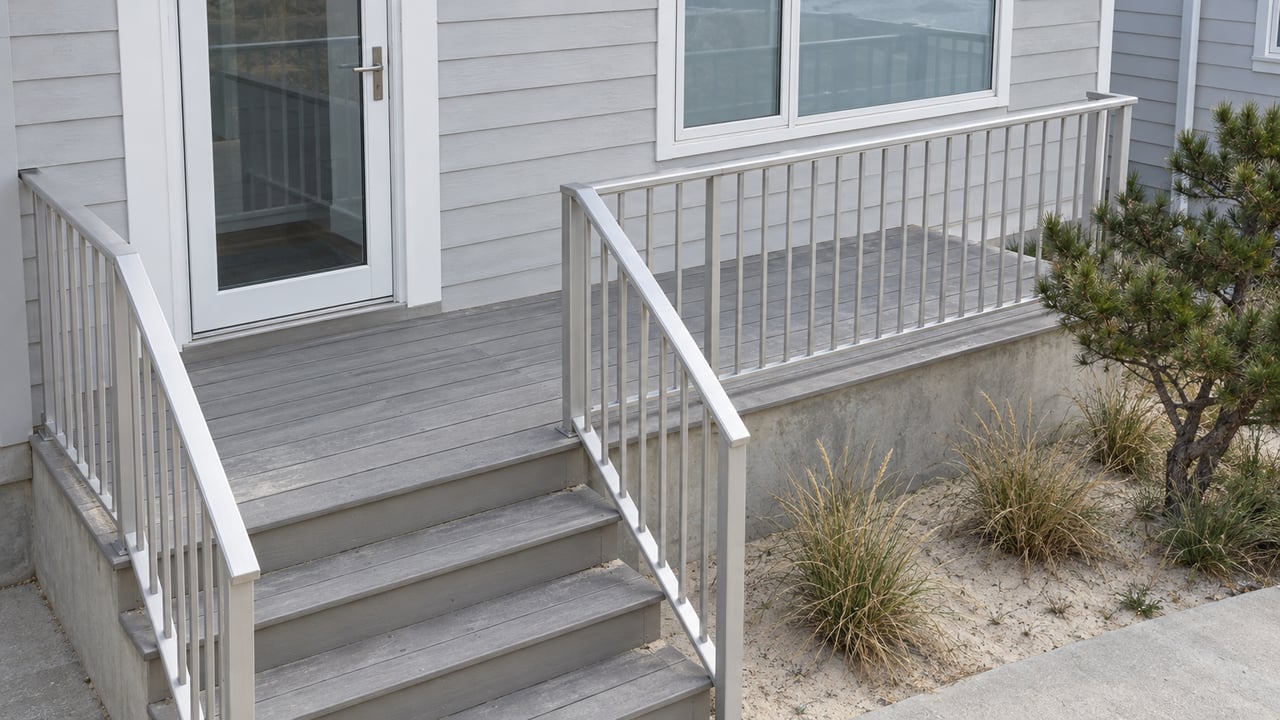
Loveladies’ modern housing stock is not only a style story. It is also tied to how homes have been rebuilt and adapted over time in a coastal environment. Township rules contemplate elevated foundations, piling requirements, raised entries, and even elevator towers, which helps explain why so many homes here pair contemporary design with resilient construction features.
For buyers, that can be a real advantage. A well-designed coastal home may support views, outdoor living, and functional access while also aligning more closely with current building expectations.
Rebuild Potential Is Not Automatic
One of the most common assumptions buyers make is that an older waterfront home can always be replaced with something much larger. In Loveladies, that is not something to assume. Zoning, setbacks, lot coverage, waterline measurement, piling requirements, and elevation rules can all shape what is actually possible.
If you are considering a teardown, major renovation, or long-term custom build, review the buildable envelope before you commit. The lot may be valuable, but the practical design options can be narrower than they first appear. This matters even more on parcels with unusual depth, frontage, or easement access.
A careful review upfront can help you avoid overpaying for theoretical potential that may not exist. It can also help you identify properties where the existing structure, legal water access, and lot layout create stronger long-term value.
What Supports Resale in Loveladies
Resale strength in Loveladies often comes down to a few practical features. Buyers tend to value parcels with a clean legal water-access story, a workable modern buildable envelope, and enough room for parking and outdoor use within zoning limits. Scarcity also plays a role, since large minimum lot sizes and waterfront access constraints can limit how many similar parcels can be created.
In a market like this, not all waterfront estates are equal. A property with strong architecture but unresolved dock questions may be less appealing than one with a more complete paperwork history. Likewise, a large lot with awkward constraints may not perform the same way as a parcel with clearer frontage and better usable space.
That is why smart buying in Loveladies is about balancing beauty with documentation, design with compliance, and lifestyle with long-term flexibility.
A Smart Buying Approach
If you want to buy well in Loveladies, keep your focus on both the property and the paper trail. Beautiful views and striking architecture matter, but so do zoning details, flood records, and legal water-access status. In this part of LBI, thoughtful due diligence is part of buying confidently.
Working with a local team can help you evaluate the full picture, especially when a property involves dock rights, bulkhead history, unusual lot geometry, or future renovation goals. That kind of insight can make the difference between buying a compelling waterfront home and buying the right waterfront estate for your plans.
If you are exploring waterfront opportunities in Loveladies and want local guidance shaped by LBI experience, connect with Coastal Living Real Estate Group. Their boutique, full-service team offers luxury buyer representation with the local market knowledge and hands-on support that waterfront purchases demand.
FAQs
What makes waterfront estates in Loveladies different from other LBI areas?
- Loveladies is part of the quieter north end of Long Beach Township, and its post-1962 rebuilding pattern created a housing stock known for more modern coastal architecture and design.
What zoning rules matter when buying a Loveladies waterfront property?
- Lot size, frontage, setbacks, side-yard totals, lot coverage limits, waterline-based measurements, and any easement-related access rules can all affect value, use, and future building options.
What should buyers check about docks and bulkheads in Loveladies?
- You should confirm permit history, tidelands status, any riparian grant or license, whether approvals are current and transferable, and the condition and records tied to the bulkhead.
Will a Loveladies waterfront estate require flood insurance?
- It may, depending on the FEMA flood zone and your loan type, since federally backed mortgages in high-risk flood zones generally require flood insurance.
Can you rebuild a larger home on a Loveladies waterfront lot?
- Not always, because setbacks, lot coverage limits, frontage, elevation rules, piling requirements, and waterline measurements can all restrict the future buildable envelope.
What helps resale value for a Loveladies waterfront estate?
- Strong resale factors often include a clean legal water-access story, a workable and compliant lot layout, room for parking and outdoor use, and a property design that fits modern coastal living.