Wondering whether a Long Beach Island home can do more than give you a summer escape? In Long Beach Township, short-term rental potential can be compelling, but it is rarely as simple as plugging a few peak-season weeks into a spreadsheet. If you are considering a purchase for both personal use and income, you need to understand seasonality, local rules, operating costs, and what guests actually value. Let’s dive in.
Why LBI rentals are so seasonal
Long Beach Township sits on a barrier island off the southern New Jersey coast, and that location shapes the rental calendar in a big way. Summer weather drives demand, with NOAA normals showing average daily highs of 81.5°F in June, 86.6°F in July, and 84.8°F in August, compared with 43.2°F in January.
That temperature swing helps explain why most rental income on LBI is concentrated in summer rather than spread evenly across the year. In practical terms, many owners rely on peak summer weeks, a handful of shoulder-season stays, and a smaller number of holiday or off-season bookings.
Beach operations add another seasonal layer. The Southern Ocean County Chamber notes that guarded beaches generally run from mid-June through Labor Day, and badge rules vary by municipality.
In Long Beach Township, beach badges are required for ages 12 and older, while children 11 and under are exempt. Those badges are not valid in Barnegat Light, Harvey Cedars, Surf City, Ship Bottom, or Beach Haven Borough, which is one reason rental performance should be evaluated town by town, not island-wide.
Start with Long Beach Township rules
Before you focus on income projections, verify that the property can legally operate the way you intend. Long Beach Township code allows residential units in residential zones to be rented for less than one year for recreation and vacation use.
The township also defines a seasonal rental as less than one year, including any part of the period from May 15 through September 15. At the same time, the code prohibits using residential property for for-profit commercial or business-related purposes or events unless otherwise provided.
That distinction matters for owners who want a beach house that also generates income. A home may be suitable for vacation rental use, but that does not mean every type of event or business activity is allowed.
Registration and compliance matter
Long Beach Township treats rental property registration as an annual process. Township materials say rental applications are due by March 31, or no later than April 1 annually, with late-fee exposure after that date.
The registration packet also makes clear that rentals are defined as 12 months and under, or 12 months and over. If you are buying with summer use in mind, it is smart to confirm exactly what has already been filed for the property and what must be updated after closing.
The township requires a certificate of liability insurance and a $100 insurance filing fee for rental properties. The 2025 registration packet also states that the owner of a business or rental unit should maintain at least $500,000 of liability insurance, or $300,000 for certain owner-occupied multifamily homes.
For remote owners, the paperwork highlights another important operational issue. The registration form asks for a custodian or property manager contact and an emergency authorization contact, which means you should have a clear local response plan in place.
Do not overlook fire inspection timing
Rental registration is separate from annual fire inspection. In Long Beach Township, Ocean County Fire Marshal inspections for 1- and 2-family rentals require a smoke alarm and carbon monoxide compliance certificate that is valid for 12 months.
That certificate can remain valid through multiple tenant changes during the year for seasonal rentals. Still, timing matters because county inspection fees increase depending on how close the application is to the occupancy date.
Ocean County lists inspection fees of $45, $90, or $161, plus a $30 fee for certain reinspections or failed appointments. If you are buying close to the season, those details can affect your setup timeline and early operating costs.
Taxes can change the numbers
State tax treatment is another piece of the underwriting puzzle. New Jersey currently assesses a 6.625% sales tax, and certain transient-accommodation bookings are also subject to the 5% state occupancy fee.
According to the New Jersey Division of Taxation, that generally applies when bookings are obtained through a transient-space marketplace or when the property qualifies as a professionally managed unit. The state defines a professionally managed unit as one directly or indirectly owned or controlled by a person renting three or more separate units in a calendar year.
Direct owner-to-renter bookings are otherwise exempt under the state guidance cited in the research. New Jersey also allows seasonal-business registration if the property is rented only part of the year.
There may be another local layer as well. New Jersey authorizes municipalities, with a few exceptions, to adopt a municipal occupancy tax of up to 3%, so you should verify whether the specific municipality has enacted one.
Property traits that support rental appeal
Not every LBI home performs the same way as a short-term rental. In Long Beach Township, stronger candidates often combine easy beach access, enough bedrooms and bathrooms for group stays, practical parking, and a layout that makes weekly turnovers manageable.
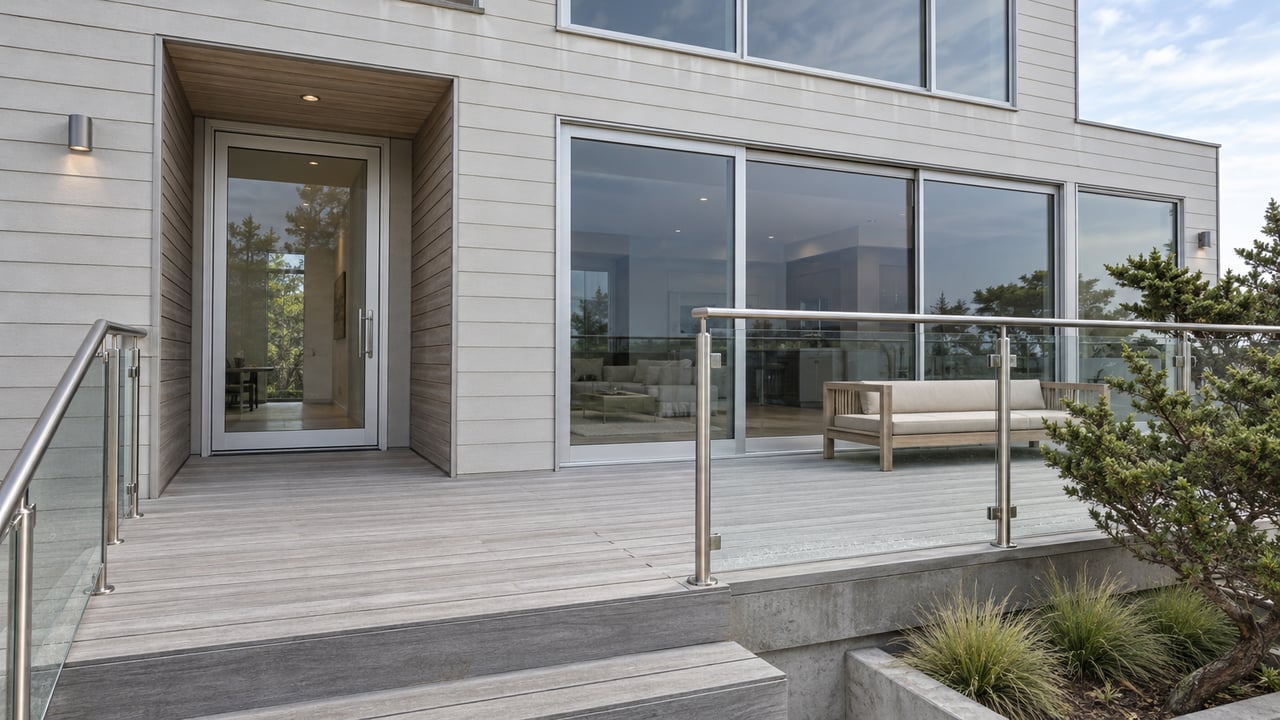
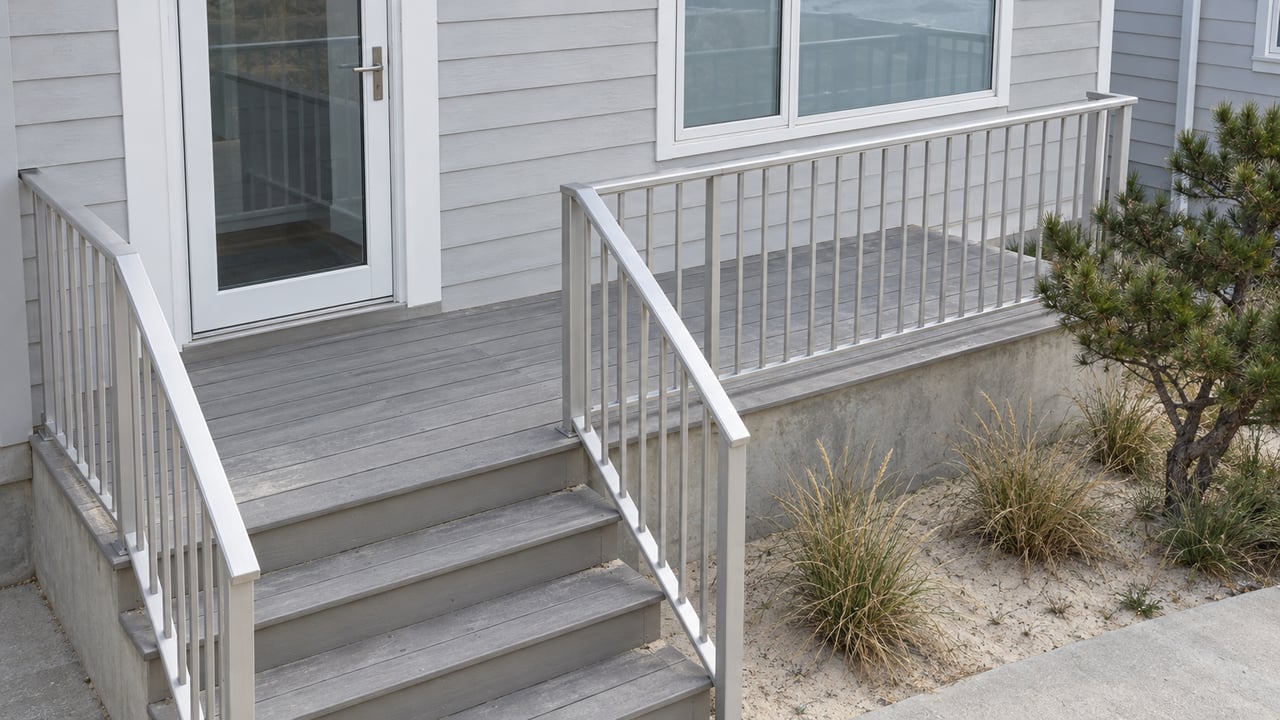
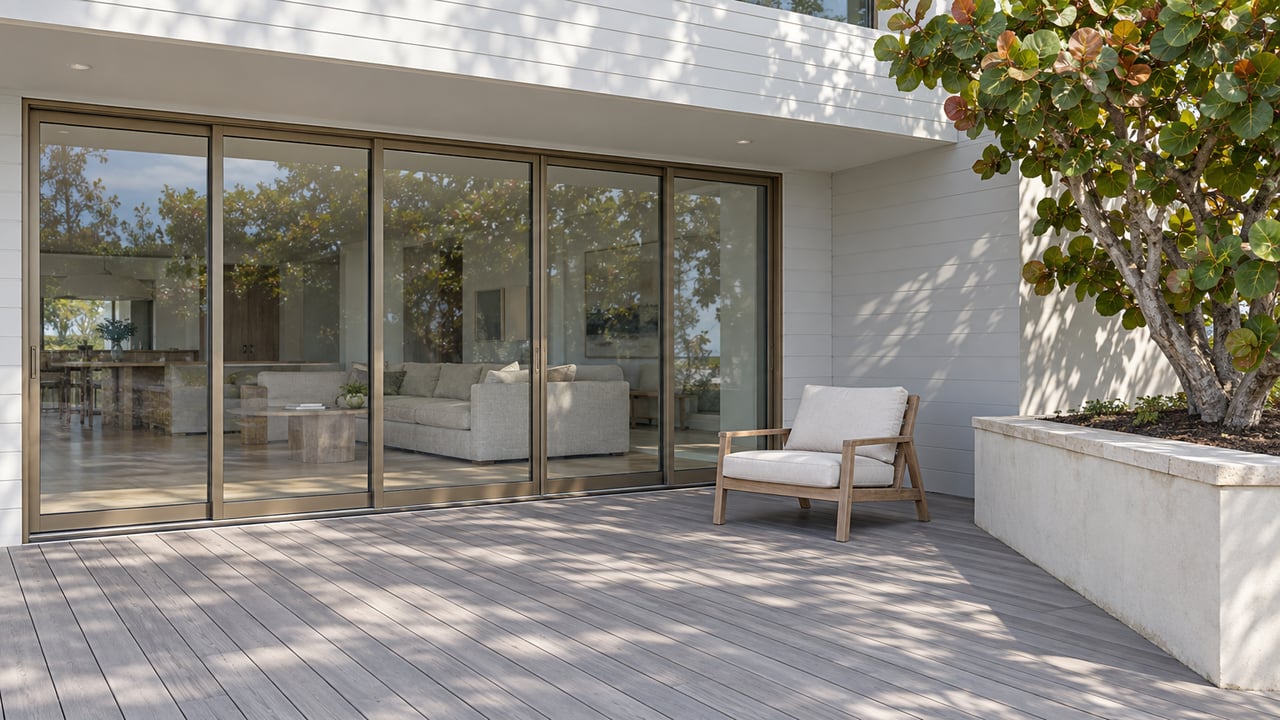
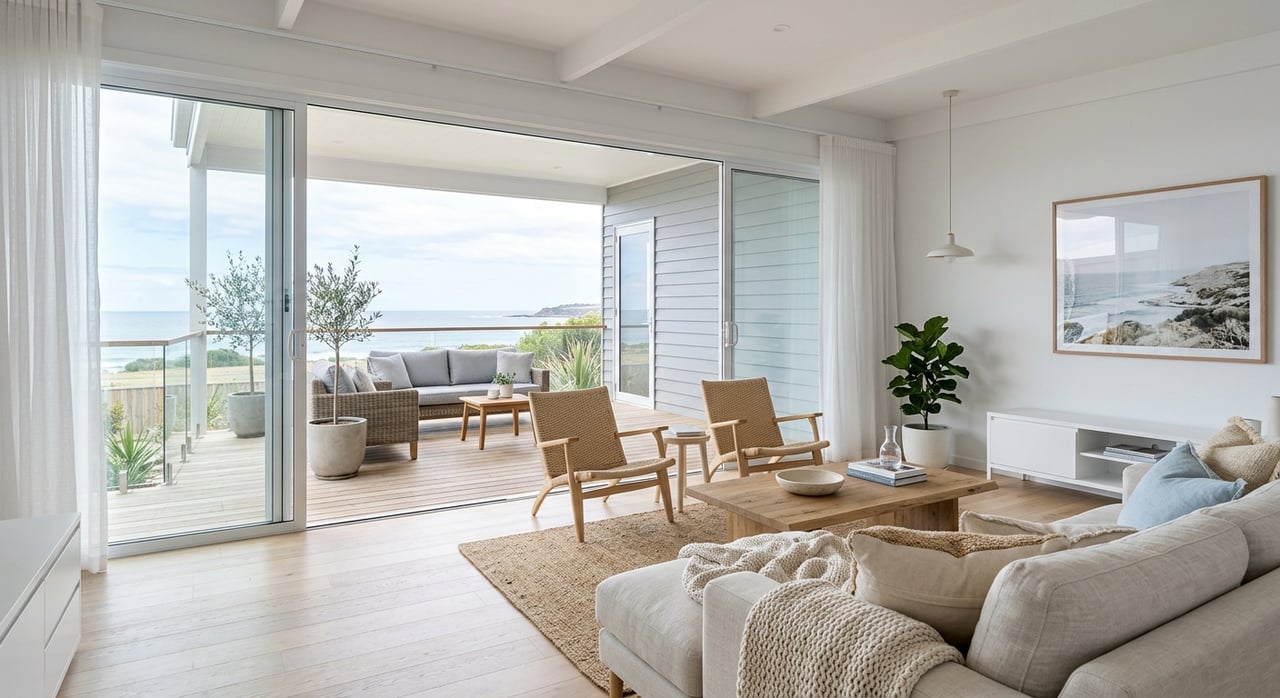
Indoor-outdoor flow also matters on the island. Guests often value decks, outdoor showers, gathering areas, and easy transitions between the beach and the house, especially during peak summer weeks.
For oceanfront or near-dune properties, access and maintenance deserve special attention. Long Beach Township encourages dune fencing and dune grass, and it prohibits crossing dunes except over approved walkways.
That means compliant access is part of the property’s operating picture, not just a design detail. Exterior upkeep, storm preparation, and dune-related maintenance should be part of your budget from day one.
Location on LBI is block specific
One of the easiest mistakes buyers make is assuming all of Long Beach Island works the same way. On LBI, the exact municipality matters because beach access, badge rules, and lifeguard schedules are town specific.
Even within Long Beach Township, underwriting should be more precise than a broad township average. The township’s own rental application identifies subareas such as Holgate, Brant Beach, Loveladies, and High Bar Harbor, which is a useful reminder that guest appeal can vary significantly by location.
Some guests will prioritize a quick walk to the ocean. Others may care more about quieter surroundings, water access, or proximity to recreation.
Long Beach Township also promotes amenities beyond the beach, including walking trails, kayaking, paddleboarding, tennis, pickleball, bocce, basketball, playgrounds, and a dog park. Those off-beach features can help a property stay attractive beyond a simple beach-block comparison.
Price point raises the stakes
Long Beach Township is not a low-cost entry market. Zillow’s Home Value Index estimates the township’s average home value at about $2.04 million as of March 31, 2026.
At that level, relatively small shifts in occupancy, financing, insurance, or maintenance can materially change your returns. A property that looks promising on gross income alone may feel very different after you account for the true carrying costs.
That is especially important on a barrier island that is prone to flooding from hurricanes, tropical storms, and nor'easters, according to the township. Flood exposure should be treated as a core ownership consideration, not a side note.
Build a practical rental pro forma
A simple underwriting model usually works best when it reflects how the island actually operates. Instead of assuming even demand throughout the year, break projected income into three buckets:
- Peak summer weeks
- Shoulder-season stays
- Limited off-season or holiday bookings
That structure matches the climate pattern and beach calendar more closely than a flat annual assumption. It can also help you compare a conservative case, a likely case, and a stronger performance case.
On the expense side, include more than the obvious line items. A realistic pro forma should account for:
- Property taxes
- Platform or management fees
- Cleaning costs
- Utilities
- Insurance
- Township registration and insurance filing costs
- County inspection fees
- Maintenance reserves
- Storm-readiness or flood-hardening costs
A simple formula is still useful: gross rental income minus management, cleaning, utilities, taxes and fees, insurance, repairs, and reserves. The goal is not to create a perfect forecast. It is to pressure-test whether the property still works after real-world costs are included.
Use market dashboards carefully
Public short-term rental dashboards can provide directional context, but they should not be treated as underwriting-grade by themselves. One current dashboard estimates Long Beach Township at about $56,031 in annual revenue, 37.4% occupancy, and an $805 average daily rate.
Those figures may be helpful as a broad benchmark, but they do not capture block-by-block differences, house condition, beach proximity, views, parking, owner use, or operating style. A well-positioned home and a mediocre-fit property can perform very differently even within the same municipality.
That is why the best evaluation combines public data with property-specific review. On LBI, the house, the location, and the operating plan all need to work together.
Questions to ask before you buy
If you are evaluating a Long Beach Township home for short-term rental potential, these are some of the most important diligence questions:
- Which municipality is the property in exactly?
- What rental term is allowed under current local rules?
- Are registration and fire inspection requirements current?
- What insurance coverage will be required?
- Who will handle guest communication and emergencies?
- How will applicable taxes be collected and remitted?
- Are there HOA rules or deed restrictions that affect rentals?
- What flood or storm-related costs should be built into ownership?
These questions may sound basic, but they often have the biggest impact on whether a property functions smoothly as both a retreat and an income-producing asset. The strongest buying decisions usually come from underwriting the home, the municipality, and the rental calendar together.
A smart LBI rental strategy
On Long Beach Island, short-term rental potential is real, but it rewards precision. The best opportunities are usually properties that align with guest demand, fit local rules, and still make sense after you account for compliance, taxes, insurance, and barrier-island carrying costs.
If you are buying with both lifestyle and income in mind, you want more than a rough revenue guess. You want a clear, local view of how a specific home may perform in its exact part of the island, along with practical guidance on ownership, setup, and long-term value.
If you are weighing a purchase or want help evaluating a property’s rental fit on LBI, Coastal Living Real Estate Group can help you assess the opportunity with local insight and boutique-level service.
FAQs
What makes Long Beach Township rentals so seasonal?
- Long Beach Township rentals are heavily influenced by summer weather, guarded-beach schedules that generally run from mid-June through Labor Day, and badge rules that support peak warm-weather demand.
What rental rules should buyers verify in Long Beach Township?
- Buyers should confirm that the property can be rented for their intended use, review annual registration requirements, check inspection status, and verify whether any local restrictions, HOA rules, or deed limitations apply.
What insurance does a Long Beach Township rental property need?
- Township materials say rental properties require a certificate of liability insurance and a $100 insurance filing fee, and the 2025 packet states that owners should maintain at least $500,000 in liability insurance, or $300,000 for certain owner-occupied multifamily homes.
What inspections apply to Long Beach Township seasonal rentals?
- Ocean County Fire Marshal inspections for Long Beach Township 1- and 2-family rentals require a smoke alarm and carbon monoxide compliance certificate that is valid for 12 months.
Are short-term rentals on LBI taxed in New Jersey?
- Certain transient-accommodation bookings are subject to New Jersey sales tax and the 5% state occupancy fee, depending on how the booking is made and whether the unit qualifies as professionally managed under state rules.
How should you estimate short-term rental income on Long Beach Island?
- A practical approach is to separate projected income into peak summer weeks, shoulder-season stays, and limited off-season bookings, then subtract management, cleaning, utilities, insurance, taxes, registration costs, inspections, repairs, and reserves.
Why does exact location matter for short-term rental potential on LBI?
- Exact location matters because municipalities have different beach badge rules and guarded-beach schedules, and even within Long Beach Township, subareas such as Holgate, Brant Beach, Loveladies, and High Bar Harbor can appeal to guests differently.