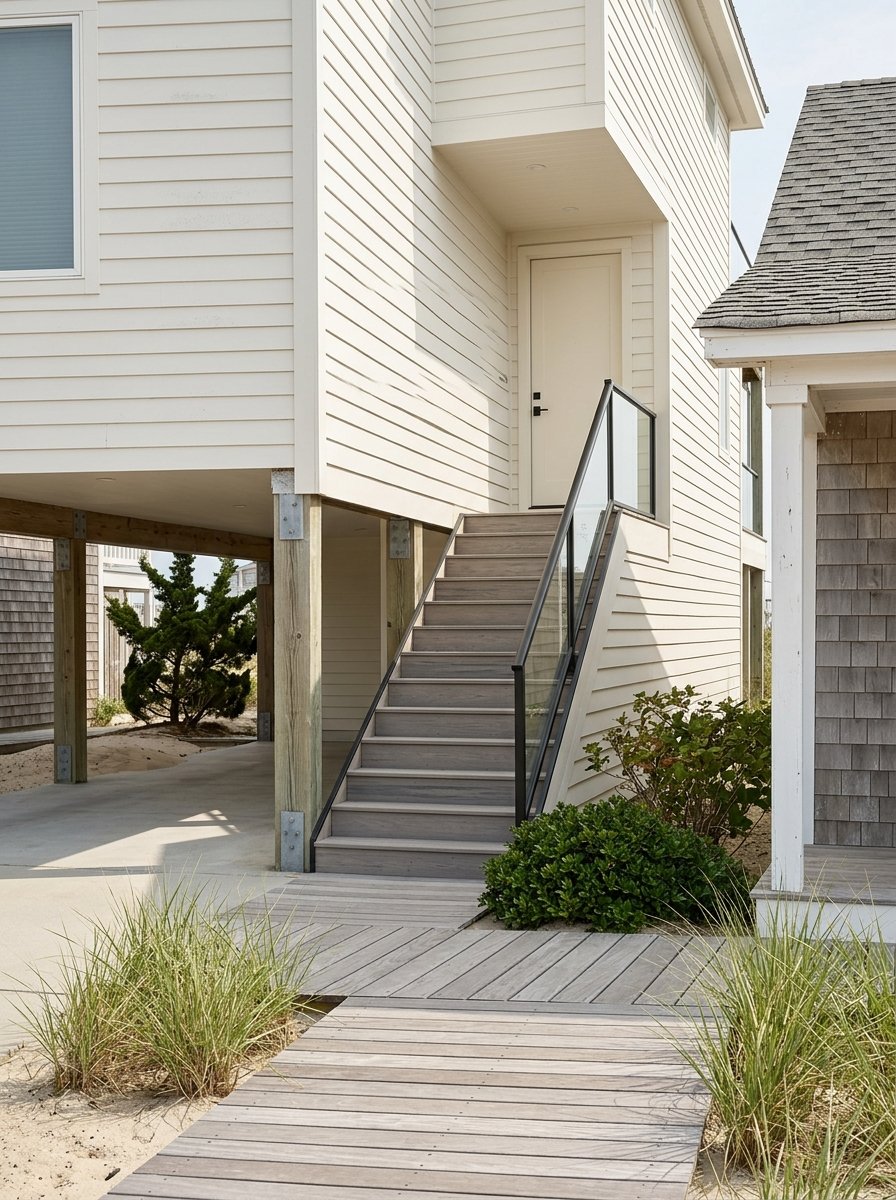
Wondering whether a brand-new Surf City home or a classic beach cottage is the better fit for your next move? On Long Beach Island, that choice is about more than style. In Surf City, flood rules, elevation, maintenance, and rental plans can all shape what ownership looks like from day one. If you are weighing charm against convenience, or character against newer construction standards, this guide will help you sort through the tradeoffs with more confidence. Let’s dive in.
Why style matters in Surf City
In Surf City, the new construction versus cottage decision carries extra weight because of the borough’s coastal setting. The borough states that the entire community is within FEMA’s Special Flood Hazard Area and the 100-year floodplain, which means elevation, flood insurance, and utility placement are central parts of ownership.
That local reality affects how homes are built, updated, insured, and used over time. It also means your ideal property should match not only your design taste, but also your comfort with maintenance, paperwork, and long-term planning.
What new construction offers
New construction in Surf City often appeals to buyers who want a more turnkey experience. If you value current building standards, stronger energy performance, and fewer immediate upgrade projects, a newer home can check a lot of boxes.
New Jersey’s current residential code uses the 2021 International Residential Code and 2021 International Energy Conservation Code for low-rise homes. ENERGY STAR also notes that certified new homes are at least 10% more energy efficient than homes built to minimum code, so a newly built home is more likely to deliver better efficiency than an older cottage that has not been fully updated.
Newer layouts and elevated living
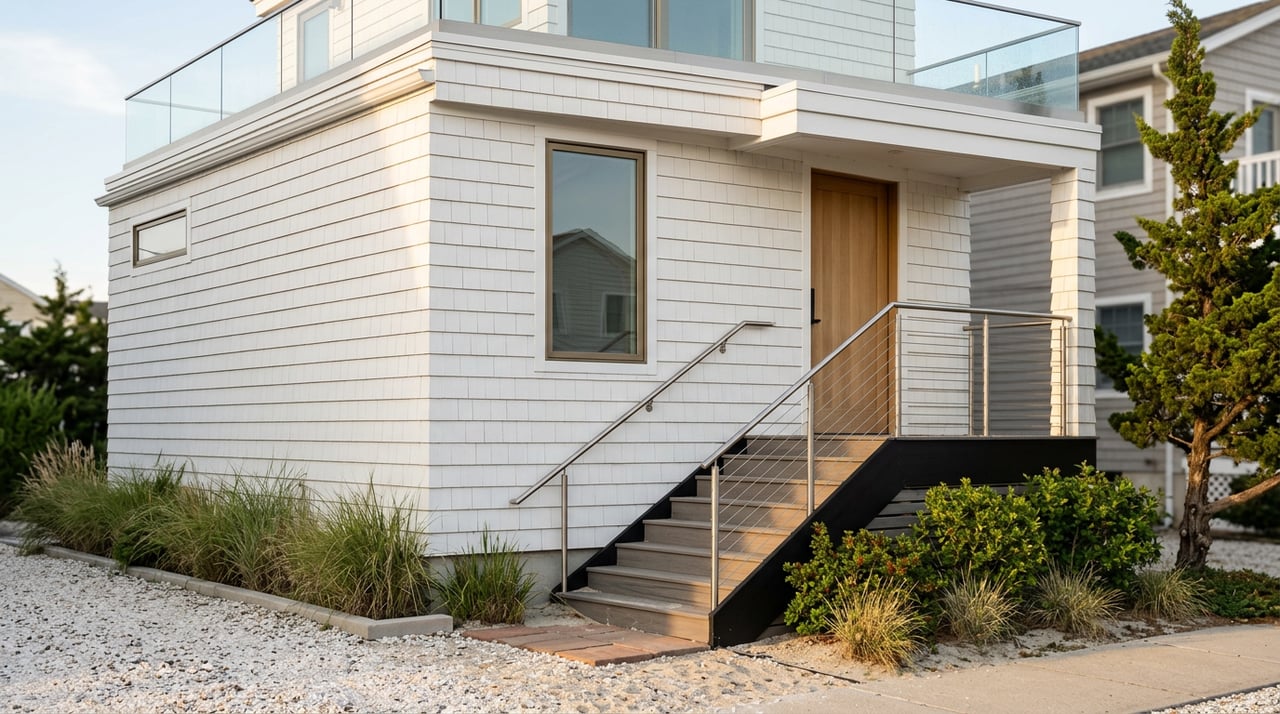
Surf City’s local rules shape the look and feel of newer homes in a very specific way. Residential zoning limits main-building height to 33 feet above the street centerline in residential districts, with some 34-foot exceptions, and limits lot coverage to 35%.
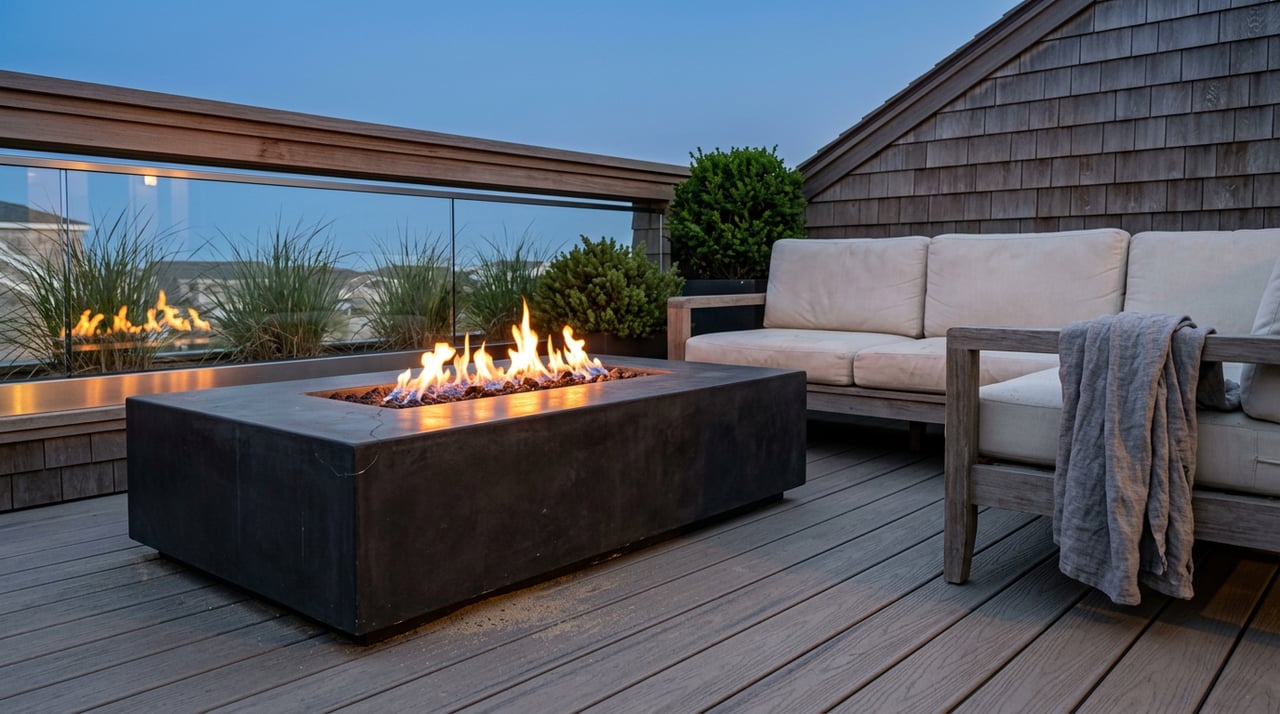
The borough’s flood ordinance also requires the lowest floor of new residential construction and substantial improvements to sit at or above the flood elevation plus one foot of freeboard. In practical terms, this often creates raised homes with parking or storage below, main living spaces above, and outdoor living centered around decks and elevated terraces.
For many buyers, that design works especially well for hosting. It can also support multi-level living that gives guests or extended family a little more separation and flexibility.
Built-in flood compliance features
One major advantage of new construction is that many key flood-related features are addressed during the build. Surf City’s flood resources state that new construction and substantial improvements must follow flood-control rules, including elevating HVAC systems, water heaters, and other mechanical equipment.
That does not remove the need for due diligence, but it can reduce the number of retrofit issues you may face after closing. For buyers who want fewer near-term surprises, that can be a meaningful benefit.
Lower near-term maintenance potential
A new home will not be maintenance-free, especially in a shore environment, but it may offer a smoother start. Since newer homes are generally built around current code requirements, buyers are less likely to step into immediate system replacements or major compliance upgrades.
That can be especially appealing if you are buying a second home and want more time enjoying the property and less time coordinating repairs. It can also matter if you live out of the area and prefer a more predictable ownership experience.
A strong fit for seasonal rental plans
If you expect to rent the property seasonally, new construction may offer practical advantages. Based on Surf City’s local rules, newer homes are often easier to position as seasonal rentals because they are more likely to have newer systems, a more current layout, and fewer near-term repair issues.
Surf City treats rentals under one year, including any part of May 15 through September 15, as seasonal rentals. The borough also requires annual proof of liability insurance and annual fire-alarm, carbon-monoxide, and fire-extinguisher compliance before a lease or rental begins.
What a classic cottage offers
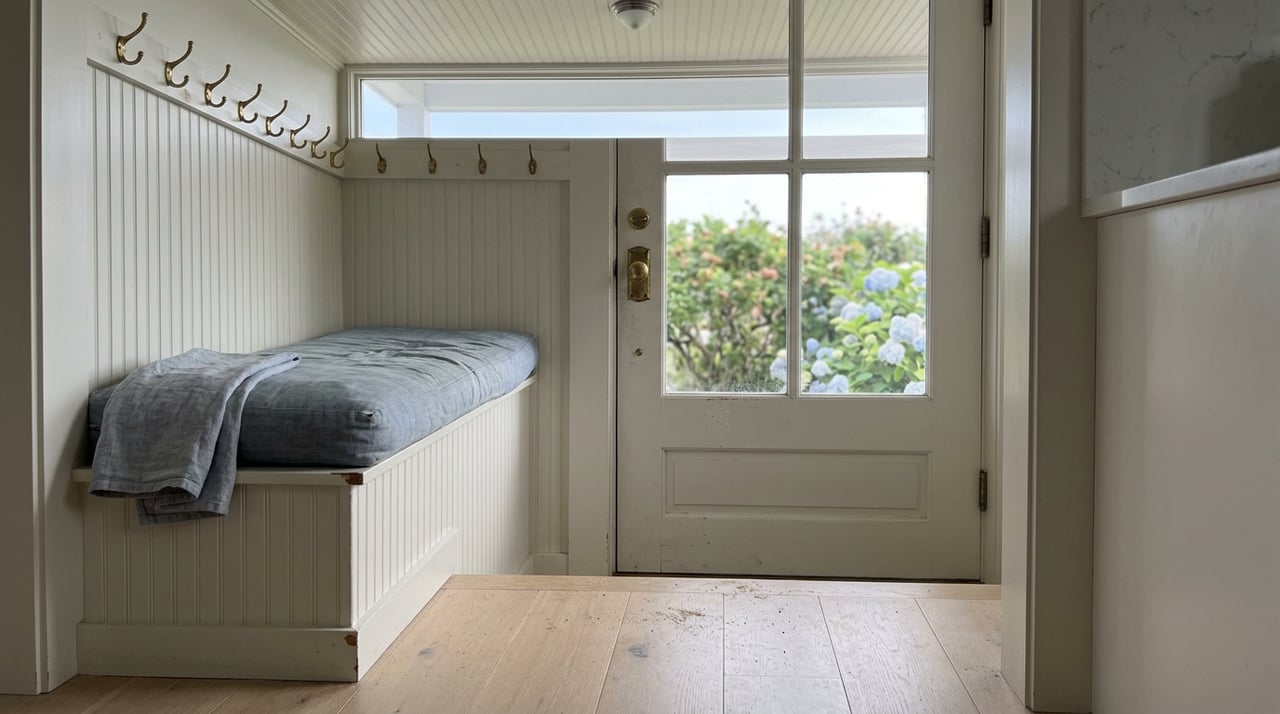
A Surf City cottage offers something many buyers still love: a more traditional beach-house scale and feel. If you are drawn to original character, a smaller footprint, or the idea of improving a home over time, a cottage can be a compelling path.
That said, older homes usually require more careful review before you commit. In Surf City, that means paying close attention to elevation, permit history, and property condition.
Character and smaller-scale living
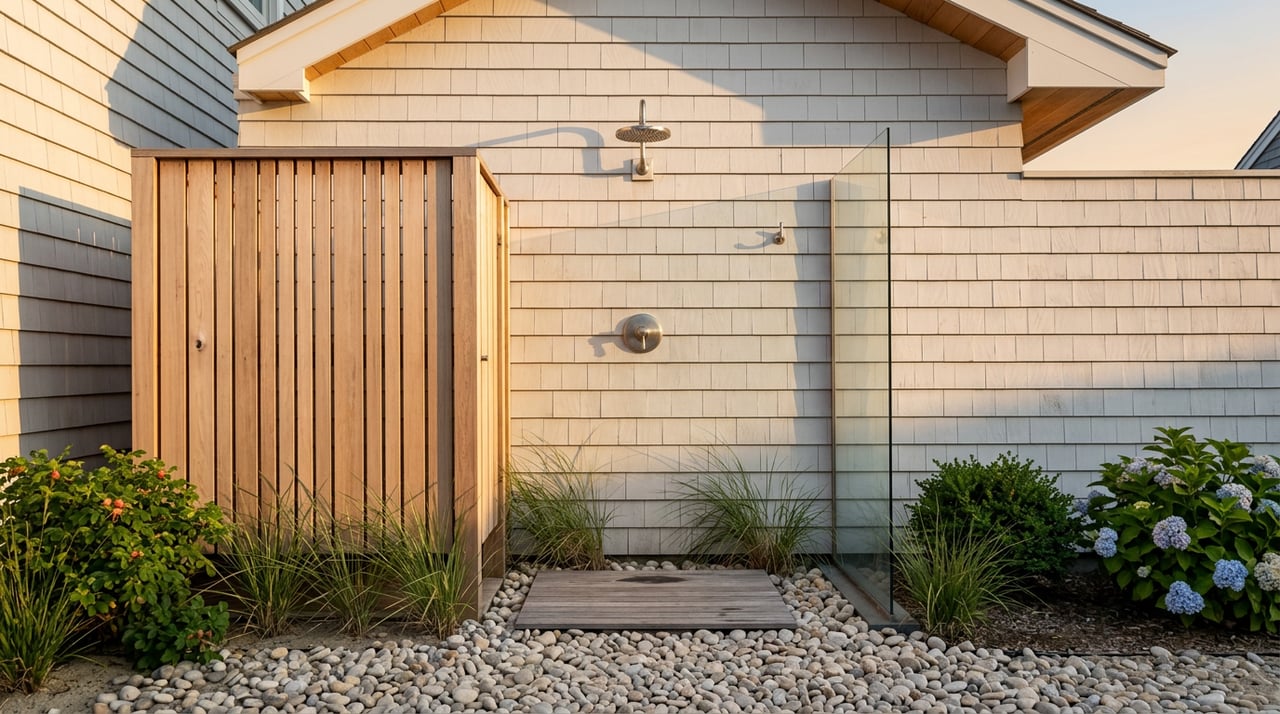
Classic cottages often feel more site-driven and compact than newer homes. Because the same setbacks and lot-coverage limits still apply, older homes may read as smaller and more intimate, with outdoor living built around porches, compact yards, or modest decks.
For some buyers, that scale is exactly the point. A cottage can offer a simpler beach-house experience that feels established and familiar rather than newly built and vertical.
More due diligence before closing
Surf City’s resale-certificate checklist shows why cottage purchases need a closer look. The checklist reviews property condition, smoke and carbon-monoxide alarms, bedroom egress, garage-to-living-area fire separation, living space below base flood elevation, and a sealed flood elevation certificate and survey in the new owner’s name before closing.
That is a lot to sort through, especially if the home has been updated over time. It is smart to verify early whether prior improvements were properly permitted and whether the home’s current setup aligns with borough requirements.
Additions and changes need verification
If you are considering a cottage because you hope to renovate, expand, or rework the outdoor space, start that conversation early. Surf City’s flood resources say buyers should check with the Building Department before building on, altering, degrading, or filling a property.
The zoning office also issues permits for new residential dwellings and improvements to existing dwellings, including additions, fences, and pools. That matters because an older home’s potential is tied not just to your vision, but also to what is permitted on the site.
Different elevation realities
Surf City’s code distinguishes between existing dwellings and newly constructed or substantially improved buildings. In one residential district, existing dwellings may sit lower than new construction, while new or substantially improved buildings must be at least one foot above the street centerline.
That difference can affect how a cottage functions today and what may be required later if you make substantial improvements. It is one of the clearest examples of why two homes on the same block can present very different ownership considerations.
How rentals affect your decision
Whether you choose a new home or a cottage, rental use comes with the same local operating rules. Surf City requires annual liability-insurance registration and annual fire-safety compliance for rental properties.
The borough’s seasonal-rental enforcement chapter also exists to address repeated disorderly conduct at rental properties, including a bond process if substantiated complaints accumulate. That means rental success in Surf City is not only about style or finishes. It also depends on operating the property responsibly and staying current with local requirements.
For buyers focused on income potential, this is an important lens. A beautiful property still needs to work well as a compliant, well-managed rental.
How to choose the right fit
The best choice usually comes down to how you want to use the property and how hands-on you want to be after closing. In Surf City, style preference matters, but it should be balanced with flood exposure, zoning limits, maintenance tolerance, and intended use.
Choose new construction if you want:
- Lower near-term maintenance
- Stronger energy performance
- Features aligned with current flood-compliance rules
- A more vertically organized layout with elevated outdoor living
- A home that may be easier to position for seasonal rental use
Choose a classic cottage if you want:
- Traditional beach-house character
- A smaller-scale home experience
- The option to improve the property over time
- A purchase path you are comfortable evaluating carefully for flood documents, permits, and systems condition
One planning step not to skip
No matter which style you prefer, plan early for flood insurance. Surf City’s flood resources note that National Flood Insurance Program coverage typically has a 30-day waiting period before it goes into effect.
That timing matters if you are trying to line up closing, occupancy, or rental plans. It is one more reason to look at the full ownership picture early, not just the photos and floor plan.
The bottom line for Surf City buyers
In Surf City, choosing between new construction and a cottage is really about matching the home to your goals. If you want a more turnkey coastal property with current standards and fewer immediate projects, new construction may be the stronger fit. If you love character and are comfortable doing deeper due diligence, a cottage can still offer a rewarding path.
The key is knowing what comes with each option before you fall in love with one style. If you want help comparing Surf City homes through the lens of lifestyle, rental use, and long-term ownership, Coastal Living Real Estate Group can help you make a smart, local-market-informed decision.
FAQs
What makes new construction different in Surf City?
- New construction in Surf City typically reflects current building and flood-control rules, including elevated living areas and protected mechanical systems, which can affect layout, maintenance, and compliance.
What should you check before buying a Surf City cottage?
- You should review elevation documents, survey information, permit history, property condition, safety items, and whether any additions or changes align with borough requirements.
Can you use either type of Surf City home as a seasonal rental?
- Yes, but both new homes and cottages must follow the borough’s seasonal-rental rules, including annual liability-insurance registration and annual fire-safety compliance.
Why does flood elevation matter for Surf City homes?
- Surf City is entirely within the Special Flood Hazard Area and 100-year floodplain, so elevation affects construction standards, insurance planning, utility placement, and future improvement options.
When should you plan for flood insurance on a Surf City purchase?
- You should plan early because NFIP coverage typically has a 30-day waiting period before it takes effect.