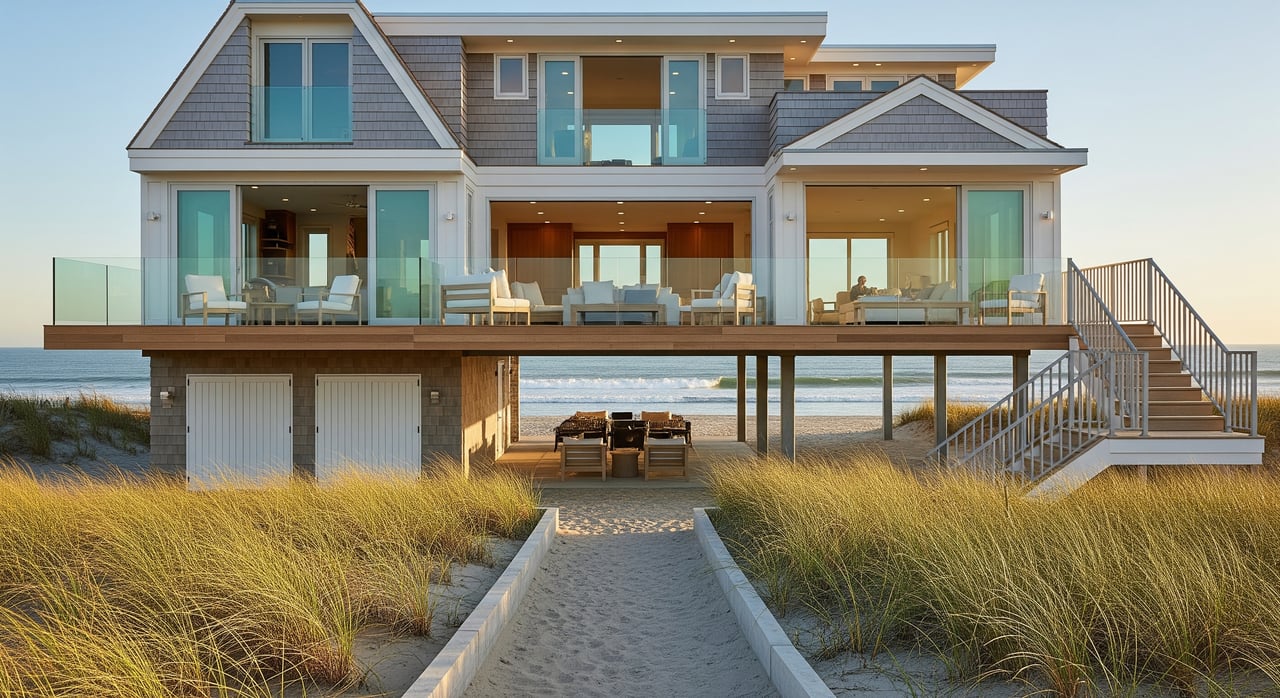
Shopping LBI homes and keep seeing “reverse living” in the description? You’re not alone. If you’re eyeing a Harvey Cedars beach house for family time or rental income, understanding this layout can help you weigh lifestyle perks against practical details like flood elevation, insurance, and access. In this guide, you’ll learn what reverse living means, why it’s so common here, and what to look for before you buy. Let’s dive in.
Reverse living, defined
Reverse living places your main living areas on the upper floor and bedrooms below. The kitchen, dining, great room, and the largest deck usually sit on the highest habitable level. Bedrooms, a den, storage, and parking occupy the lower floors.
This approach is popular on barrier islands because it elevates your daily experience to the views and breezes. It also aligns well with coastal codes that push habitable space above flood elevations.
Why it thrives on LBI
The top floor gives you better sightlines over neighboring roofs and dune vegetation, which means more sweeping ocean or bay views. That view is a major value driver for second homes on Long Beach Island.
Upper-level living also captures more daylight and prevailing breezes for relaxed, seasonal entertaining. And because coastal rules require living areas to sit above the Base Flood Elevation, a reverse plan naturally puts your main space where it belongs.
Typical floor stack
- Ground level: Parking, storage for beach gear, mudroom, and mechanicals where allowed by code. Some homes include a guest room or bunkroom depending on local rules.
- Mid level: Secondary bedrooms and baths, plus a den or media space for guests or kids.
- Top level: An open kitchen, dining, and living area with large glass and direct access to the primary deck. Many homes also connect to a roof or observation deck from here.
Outdoor spaces to expect
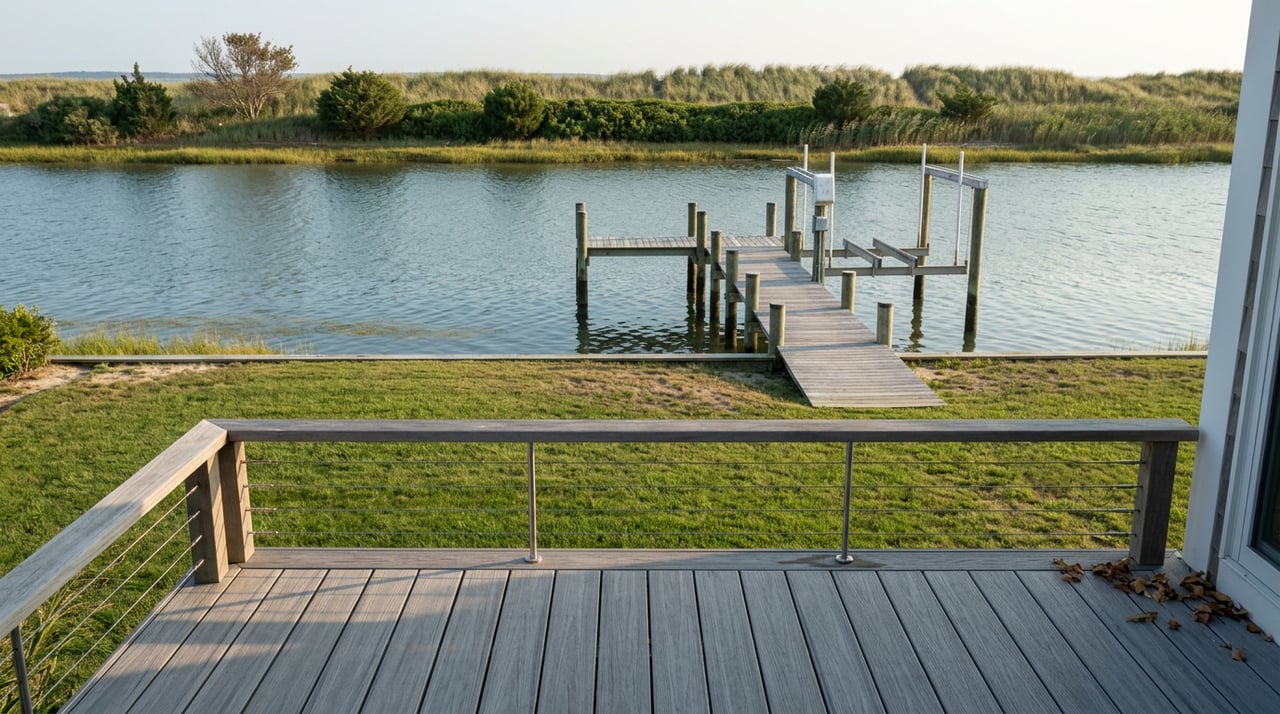
- Large upper decks placed toward the ocean or bay for everyday dining and sunset cocktails.
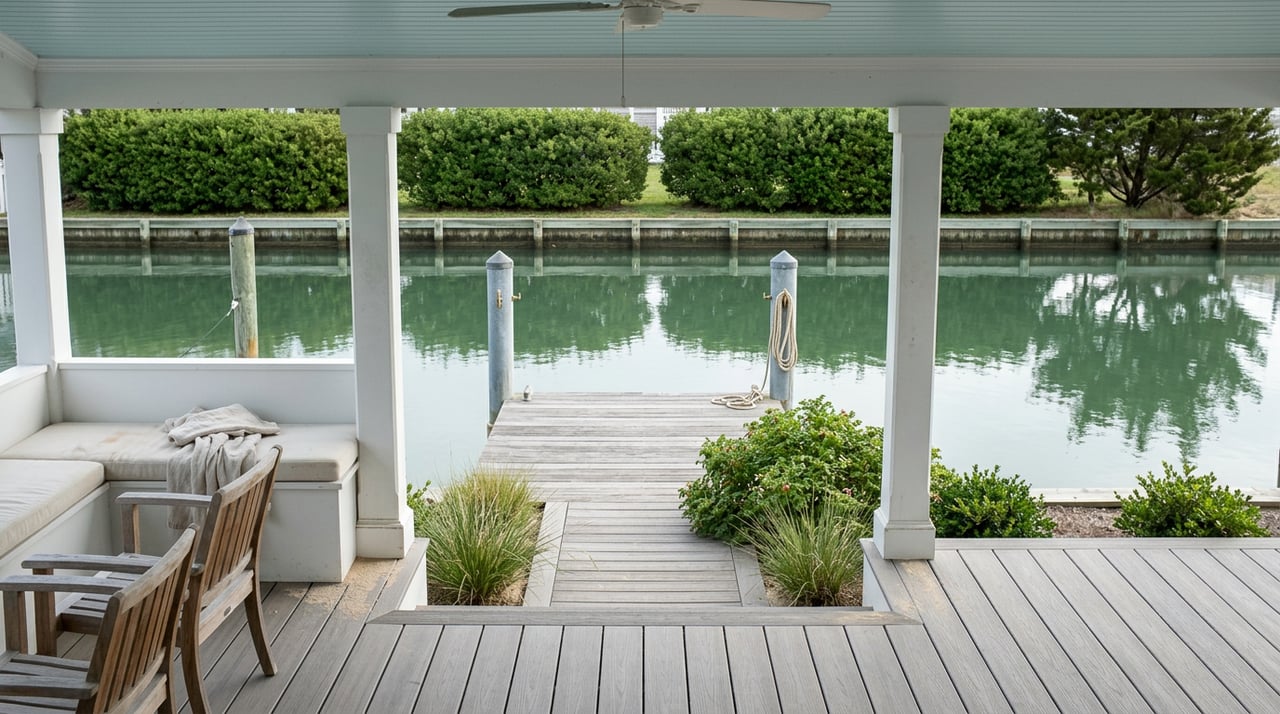
- Covered or shaded porches that make wind and sun more manageable in peak season.
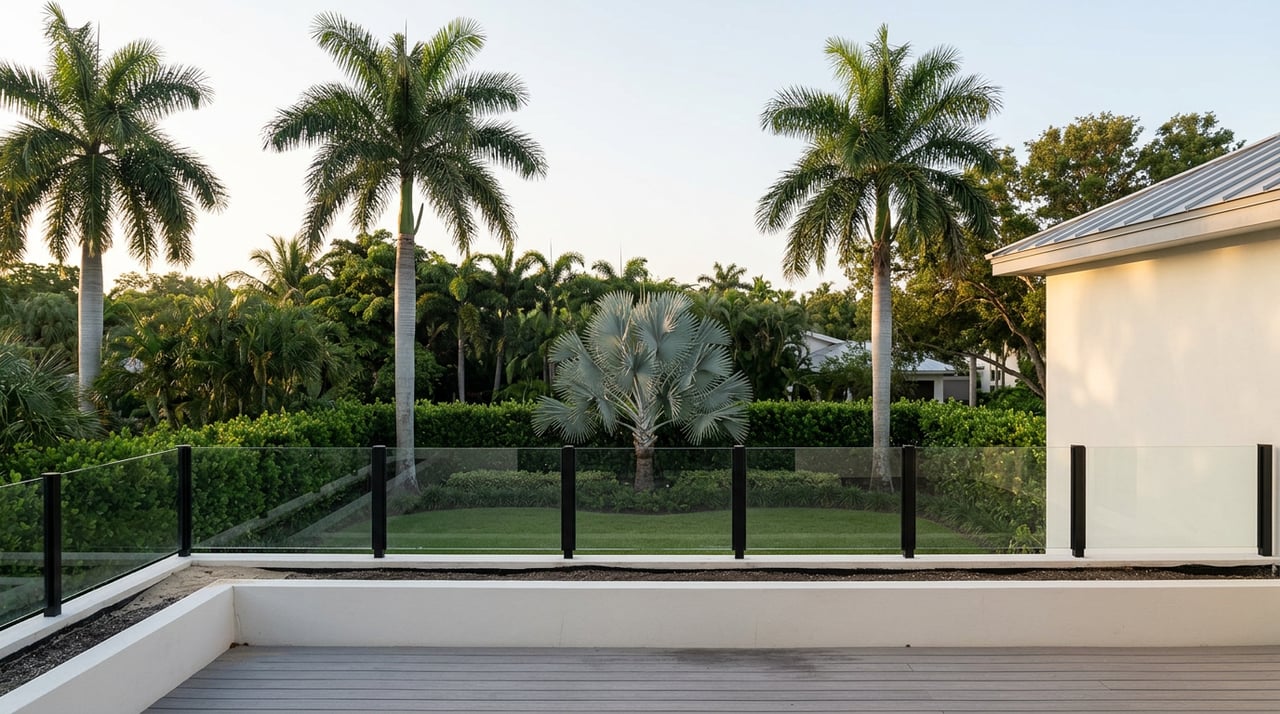
- Roof or observation decks designed with guardrails and safe access for unobstructed views.
These outdoor rooms extend your living space and anchor the LBI lifestyle around the water.
Entertaining and privacy
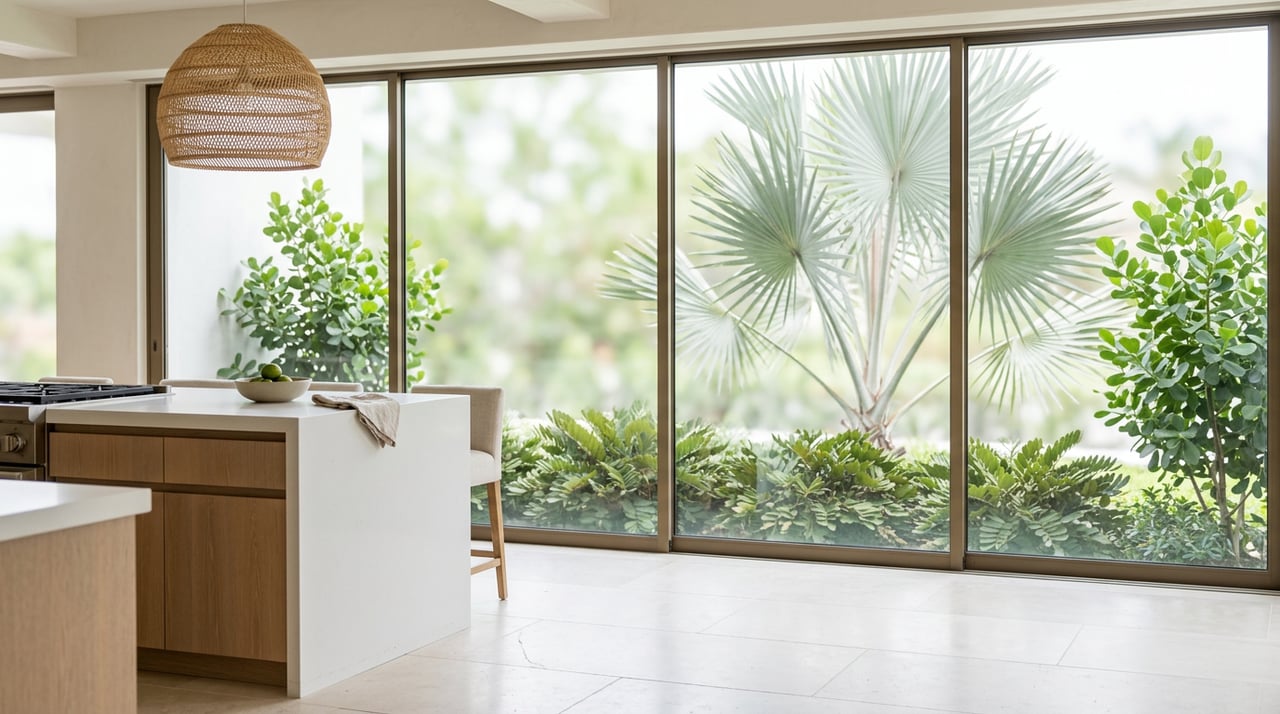
Reverse living makes gatherings feel more connected to the beach environment. Sliding or stacking doors open to the main deck, so conversations flow between the kitchen and the view.
Bedrooms below add privacy for guests and owners. Your main level also sits further from the street, which keeps daily life feeling calm even when the island is busy.
Flood and insurance basics
Many Harvey Cedars lots fall in FEMA flood zones such as AE and VE, which shape how homes are elevated and built. Municipal rules often require the first habitable floor to be at or above the Base Flood Elevation, sometimes with local freeboard above that. Builders commonly use piles or elevated platforms to meet these standards.
Flood insurance pricing through the National Flood Insurance Program and private markets is sensitive to the elevation of the lowest habitable floor relative to BFE. Request an Elevation Certificate during due diligence so you can understand premium implications.
Coastal construction must also address wind loads, uplift, and salt-air corrosion. In higher-hazard zones, ground-level non-structural walls may be designed to break away, which influences garage and storage design. If you plan to rent, confirm permits and local rules in Harvey Cedars and neighboring towns before you buy.
Elevators and access
An elevator is not required, but it can make life easier when your kitchen and great room are upstairs. It supports accessibility for guests and makes grocery runs simpler. It can also widen your buyer pool at resale if it meets current standards.
You’ll see several options: full residential elevators that connect multiple floors, compact pneumatic models, vertical platform lifts for shorter distances, and stairlifts as a retrofit choice. Each option trades space, speed, and cost differently. Because coastal storms can cause power outages, consider a generator or backup plan if you rely on an elevator for access.
Materials and storm readiness
Coastal exposure rewards durable selections. Corrosion-resistant fasteners and connectors, along with aluminum, composite, or stainless materials, hold up better in salt air. For decks, many owners choose composite or dense hardwoods for durability.
Large windows and doors maximize views, and many homes include impact-rated products or shutter systems to protect top-floor living areas. Roof and deck structures must be engineered for wind uplift and safe occupant loads. Plan for storm prep with secure storage for outdoor furniture, shutters that are easy to deploy, and a backup power strategy if you depend on electric systems.
Resale and rental outlook
Reverse living is widely accepted and often preferred on LBI, since it prioritizes views and outdoor living. That can support resale interest, especially if the layout delivers unobstructed sightlines and generous decks.
Preferences still vary. Some buyers favor at least one bedroom on a lower level for multi-generational use. If rental income is part of your strategy, verify local permitting, parking, and occupancy limits in Harvey Cedars, and factor in bedroom count and access.
Buyer checklist for Harvey Cedars
- Regulatory and site: Confirm FEMA flood zone for the lot and review the latest FEMA FIRM panel. Request the Elevation Certificate. Check with the Harvey Cedars building department on local freeboard, dune, and setback rules. Verify any HOA and short-term rental restrictions.
- Structure and systems: Identify the foundation type and condition. Locate and confirm elevation of mechanicals, panels, and utilities. Review window and door wind ratings and whether impact glazing or shutters are installed.
- Accessibility and vertical access: Note the presence, permits, and service history of any elevator or lift. Assess stair condition and emergency egress if the elevator is out of service.
- Insurance and costs: Ask for recent flood insurance information and the basis for the premium. Estimate maintenance for decks, railings, siding, and other coastal-exposed systems.
- Lifestyle fit: Study the orientation of the main deck and great room relative to sunrise, sunset, and prevailing breezes. Confirm practical storage for boards, kayaks, and beach gear.
How to choose what fits
If your top goal is view-driven entertaining, a reverse plan often delivers the best everyday experience on LBI. If universal access is your priority, compare layouts with an elevator or a ground-level bedroom, and weigh the space tradeoffs.
A smart purchase balances lifestyle, insurance and elevation, material durability, and any rental plans you may have. When you are ready to explore Harvey Cedars inventory and lot-specific considerations, connect with the local team that markets, sells, and manages the island’s top properties. Request a Complimentary Coastal Market Evaluation with Coastal Living Real Estate Group.
FAQs
What is reverse living in Harvey Cedars homes?
- Reverse living places the kitchen, dining, and great room on the top floor to maximize views and breezes, with bedrooms and storage on lower levels.
How does elevation affect flood insurance on LBI?
- Flood insurance pricing typically improves as the lowest habitable floor sits higher relative to Base Flood Elevation, which is documented on an Elevation Certificate.
Are elevators necessary in reverse-living beach houses?
- Not required, but helpful for accessibility and carrying items to the top-floor kitchen; weigh space, cost, maintenance, and backup power for outages.
What outdoor spaces do reverse-living homes include?
- Expect a large main deck off the upper great room, plus mid-level porches and often a roof or observation deck for unobstructed views.
Will reverse living limit my rental potential in Harvey Cedars?
- It often helps, since guests value views and decks, but always confirm local short-term rental rules, parking, and occupancy limits before listing.
What should I verify before offering on a reverse-living home?
- Check the flood zone and Elevation Certificate, structural and mechanical elevations, window and door ratings, elevator permits, and local rental rules.